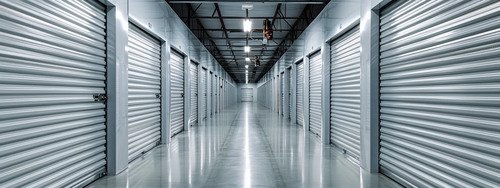
When planning to store valuable or sensitive items, the environment they’re kept in can make all the difference. Traditional storage units may offer a basic level of protection, but for those seeking to preserve the quality and longevity of their belongings, climate-controlled self-storage units present an ideal solution. Offering stable temperatures and humidity levels, these units are designed to safeguard items from the potentially damaging effects of environmental fluctuations. Keep reading to learn why investing in these specialized storage options might be the right choice for your storage needs.
Understanding Climate-Controlled Self-Storage and Its Growing Importance
Climate-controlled self-storage units maintain a consistent environment, typically between 55 and 85 degrees Fahrenheit, regardless of the weather outside. This feature is especially critical in regions that experience extreme temperatures or rapid seasonal changes. The consistent climate conditions ensure that sensitive items like wood furniture, electronics, and musical instruments remain in top condition.
Another aspect of climate-controlled units is the advanced air quality. Regular air circulation prevents stale air and dampness that often leads to mold or mildew. This is particularly beneficial for storing documents, photographs, or fine art that would degrade in low-quality air environments.
As the marketplace evolves, so does the availability of these specialized storage options. You can search for “climate controlled storage near me” if you wish to protect your assets from environmental inconsistencies.
Preventing Humidity-Induced Damage in Storage Units
Humidity is another critical factor to consider when storing items. Items such as clothing, leather goods, and furniture can suffer from mold and mildew if exposed to excessive moisture. Climate-controlled storage units are designed to maintain optimal humidity levels, preventing such issues.
Paper and fabrics are particularly vulnerable to high humidity, which can lead them to become weak, discolored, or distorted. By keeping these materials in a dehumidified environment, you are not just preserving their current state but also preventing the loss of historical or sentimental value.
Moreover, certain electronics and machinery can also be compromised by humidity, as moisture can cause corrosion or other forms of deterioration. This highlights the need for climate control in cases where technical equipment is being stored, especially if it’s for long periods.
The Advantages of Climate Control for Long-Term Storage
When it comes to long-term storage, consistency is key. Items that are stored for extended periods are at a greater risk of damage from environmental factors. Climate-controlled storage shields these belongings from such risks, giving owners confidence that their items will be in the same condition years down the line.
For businesses storing excess inventory or important documents, the advantages are clear. Products will not deteriorate before they reach customers, and paperwork remains legible and intact, reducing operational risks and potential losses caused by environmental damage.
Climate control is also advantageous in protecting against pests that thrive in less regulated conditions. By maintaining a clean, controlled environment, the likelihood of infestations from insects or rodents is significantly decreased, thereby protecting your stored items from potential damage.
Choosing the Right Climate-Controlled Storage Solution for Your Needs
Identifying the appropriate climate-controlled storage solution begins with an assessment of what you’re storing. Delicate items or those with high monetary or sentimental value should guide you toward a facility that prioritizes stable environmental conditions.
Consider the location of the storage unit. If you live in an area prone to extreme weather, then climate control isn’t just a luxury—it’s a necessity. Facilities often offer various levels of climate control, so it’s important to understand the specifics of what they provide versus what your items require.
Cost is another factor to take into account. While climate-controlled units are typically more expensive than traditional storage, the added cost reflects the value of the protection they offer. It’s worth comparing prices and options in your area to ensure you get the best value for your needs.
Overall, climate-controlled storage units offer comprehensive protection for your valuable items against the ravages of extreme temperatures, humidity, and the passage of time. Whether for personal treasures or business assets, investing in the right storage solution is essential for maintaining the condition and value of your possessions. As you make your decision, consider the material and emotional worth of your items, and remember that the right environment can make all the difference in preserving them for years to come.